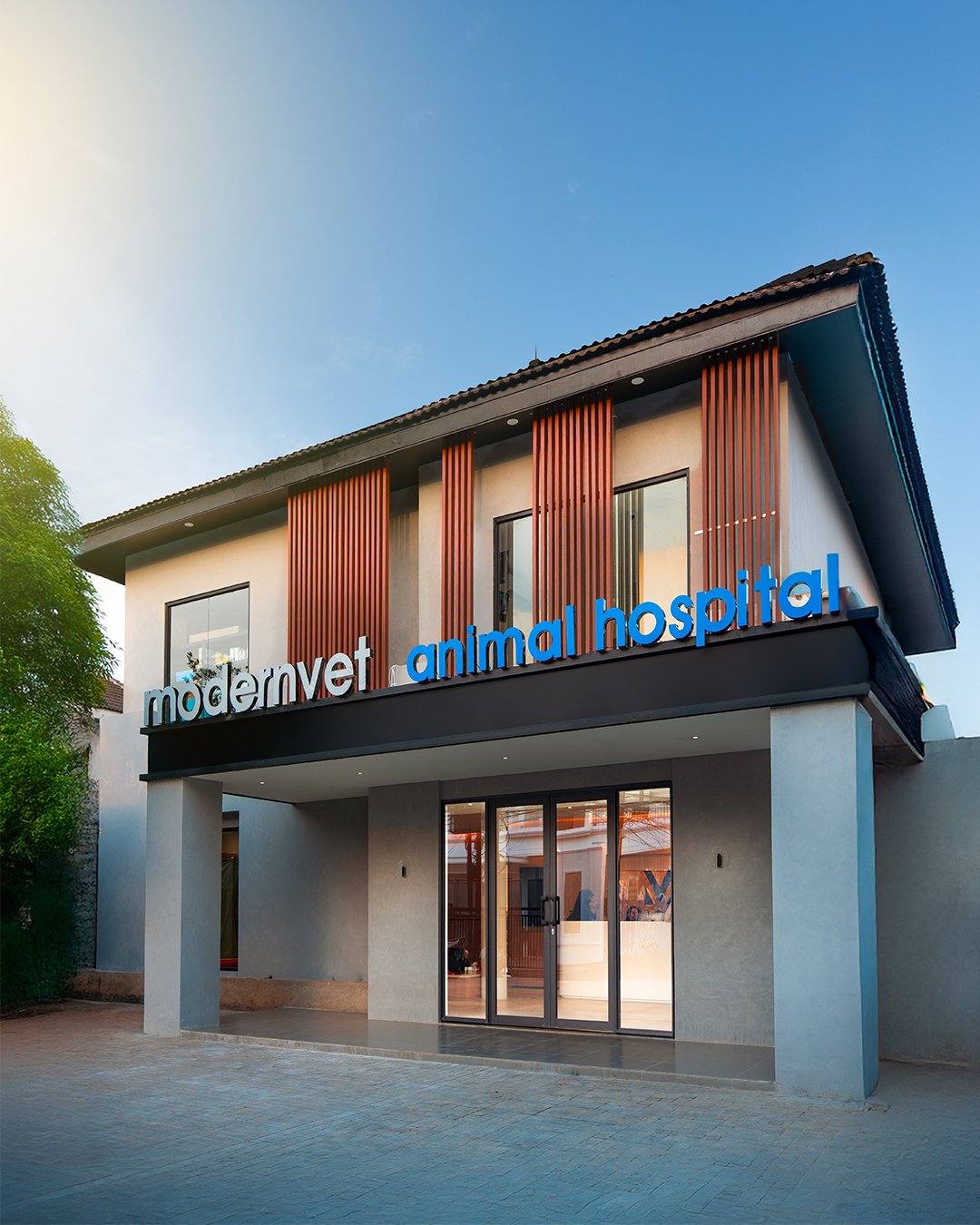
Modernvet Animal Hospital Kemang
Large, modern small animal hospital on Jalan Kemang Timur with imaging, rehabilitation, exotic pet...
Moving a pet abroad takes far longer than moving yourself. Rabies titre tests and waiting periods can add three to six months for countries like Australia, the UK and Japan, so talk to a pet shipper as soon as a move looks likely.
The relocation specialists here handle health certificates, import permits, travel crates, flights, customs and quarantine, in both directions. Look for IPATA membership.
The vets listed are the ones Jakarta's expats use: English-speaking and well equipped. Opening hours vary, so save the number of a 24-hour animal hospital for out-of-hours emergencies.
Vets by area: in South Jakarta, MEDIVET Groovy Vetcare Clinic in Gandaria Selatan covers surgery, imaging and rehabilitation, and the new Modernvet Animal Hospital Kemang on Jalan Kemang Timur opens every day from 08:00 to 20:00. In the north, PDHB drh. Cucu Kartini in Sunter is a 24-hour animal hospital with specialist eye, skin and feline clinics.
Pet relocation: Groovy Pet Transport in BSD City is an IPATA member that has moved pets since 1997 and also offers boarding, while Pet Travel Indo in Pamulang handles export, import, hand-carry and quarantine paperwork. Several of the international movers can also arrange pet shipping as part of a household move.


